

As the demand for clean and efficient energy continues to grow, solar technology is constantly evolving. One of the latest improvements in solar panel design is the use of Multi-Busbar (MBB) stringers. These stringers are playing a key role in improving the efficiency and durability of modern solar panels. But what exactly are MBB stringers, and why are they becoming so important?
What are MBB Stringers?
In a solar panel, busbars are the thin strips of metal that collect and transport electricity from solar cells. Traditionally, solar panels used 3 to 5 busbars. However, with new advancements, manufacturers are now using more busbars — usually 9, 12, or more. These are known as Multi-Busbar (MBB) designs.
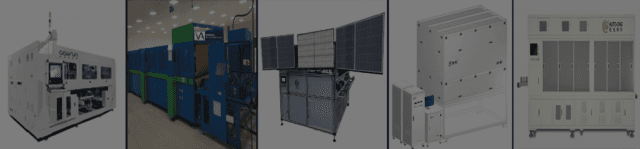
MBB stringers are machines or tools used to connect solar cells with multiple busbars, ensuring accurate placement and firm bonding. The use of MBB stringers helps assemble these advanced panels quickly and precisely.
1. Higher Efficiency
One of the biggest benefits of using MBB stringers in solar panels is higher energy output. With more busbars, electricity has a shorter distance to travel inside the cell. This reduces resistance and energy loss, allowing the panel to produce more power from the same amount of sunlight.
Also, MBB stringers help minimize the shading effect caused by thicker busbars. Since modern busbars are thinner and more in number, they cover less of the cell's surface, allowing more sunlight to reach the active area of the cell.
2. Improved Panel Durability
MBB technology also boosts the durability of solar panels. With more contact points, the stress is distributed more evenly across the solar cells. This reduces the risk of micro-cracks or breakage during handling, transportation, or weather changes.
When solar panels face environmental factors like heat, wind, or snow load, panels with MBB design tend to perform better and last longer.
3. Better Performance in Weak Light
Solar panels often lose efficiency during cloudy weather or low-light conditions. MBB stringers help solve this issue. The improved layout of busbars allows solar cells to collect and transmit electricity more efficiently, even when light conditions are not ideal.
This makes MBB-based panels suitable for locations that experience varied weather conditions or limited sunlight.
4. Reduced Power Loss
With traditional solar panels, some energy is lost due to resistance in the current path. MBB stringers reduce this loss by shortening the current path. Multiple busbars ensure that electricity flows more directly and evenly, reducing the internal loss and improving the total output.
This is especially helpful in large solar installations, where every bit of power saved can lead to major gains.
5. Compact and Lightweight Design
Thanks to the improved design and even load distribution, MBB panels can be made thinner and lighter without compromising on performance. This not only makes installation easier but also reduces transportation costs and efforts.
Installers can handle these panels with less risk of damage, making them more convenient for both residential and commercial setups.
6. Future-Ready Technology
As solar energy becomes more important worldwide, the push for high-efficiency panels continues. MBB stringers are helping to meet these needs by supporting the production of next-generation panels that deliver better results with lower costs.
Their ability to work with half-cut cells, bifacial panels, and other advanced technologies makes them a future-proof choice for solar manufacturers.
Conclusion
The use of MBB stringers in high-efficiency solar panels is a major step forward in solar technology. From improved efficiency and durability to better performance in weak light, this innovation offers multiple benefits. As the world continues to turn to solar power, technologies like MBB will play a key role in making clean energy more effective, affordable, and accessible to all.